

Paediatric Cranial Osteopathy: How It Works and What to Expect
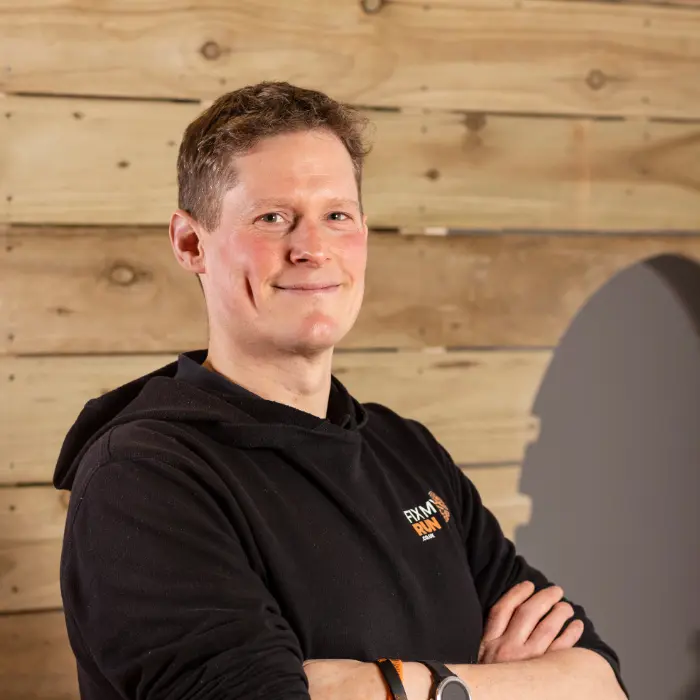
Alex Green BSc (Hons) Ost, D.N., D.O., CRTS, F.S.C.C.O. is Clinical Director of Bolton Osteopathic Clinic and a Certified Running Technique Specialist, with over two decades treating unsettled babies with various challenges including feeding difficulties through paediatric and cranial osteopathy, alongside running re-education and Dynamic Movement Skills training for lasting mobility. He leads a clinic voted Best Osteopaths in the UK for three consecutive years from 2017, awarded Patient Care Excellence 2024, and named Osteopathic Clinic of the Year, Greater Manchester 2026/27
Paediatric cranial osteopathy is a gentle, hands-on approach for babies and young children, using light, calm contact around the head, neck, spine and body. Parents often come to us when their baby seems unhappy or unsettled, is finding feeding hard work, prefers turning their head one way, or has a flattened area on the head. After an initial fact-finding assessment, our families attend an average of six treatment sessions. Many parents see changes quickly, and the effect is typically progressive and cumulative: each session builds on the last, with improvements growing and lasting a little longer every time. We review your baby’s health and progress at every single appointment, so you always know exactly where things stand.
| What to expect | Detail |
|---|---|
| Typical course | An initial assessment, followed by an average of six treatment sessions |
| When people notice change | Often early on, with each session building on the last so improvements grow and last longer |
| Progress reviews | At every appointment, so you can see how your baby is responding from visit to visit |
| Who it helps | Babies and young children, particularly those who seem unsettled or uncomfortable, find feeding hard work, show a head preference, or have a flattened area on the head |
| Session length | Initial assessment around 60 minutes, follow-ups 30 minutes |
What happens during a baby’s cranial osteopathy appointment?
Your first visit is a proper fact-finding conversation. I’ll ask lots of questions about your pregnancy, your birth experience and your baby: how feeding is going, sleep, bowel habits, movement, whether your baby prefers looking one way, and, most importantly, what you’d love to see change.
I then look closely at your baby, at rest and as they move naturally, and carry out some simple, painless checks to make sure everything is as it should be. That includes gentle neurological testing and a gentle structural examination. I’ll explain what my hands can feel, what I think is going on, how we can help and how long that’s likely to take. Treatment itself is gentle, calm contact while you stay right beside your baby, often with them on your lap or lying on the treatment table next to you. Some babies drift off to sleep, others stay alert and curious, and some have a little grumble, all completely normal.
“Cranial work forces you to slow down to a speed that feels almost uncomfortable at first, and it punishes you for arriving with expectations,” says Alex Green, Clinical Director and registered osteopath. “What’s actually under my hands is often something else entirely, and you have to be willing to abandon your own theory in real time.”
From there, we follow a clear plan. Think of it a bit like training at the gym: one session makes a difference, but it’s the consistent, progressive work that builds results that last. At every follow-up we check in on how your baby has been since the last visit, review their progress together and adjust the treatment to suit where they are now. Progress might look like more comfortable movement, easier feeds, better settling, or simply a calmer, happier baby and a more relaxed parent.
And don’t worry that your baby might be “too young”. Early attention often helps quickest, and it’s never too late to have your child assessed either.
After the session, carry on with normal feeding, cuddles and play. Bring whatever helps your baby feel at home: feeding supplies, a favourite blanket, nappies, and any letters or notes from your GP, health visitor or paediatrician. If your baby becomes unusually unsettled, develops a fever, feeds poorly, vomits repeatedly, becomes very drowsy, has difficulty breathing, or shows any other sudden change, contact your GP or health visitor straight away.
How does cranial osteopathy work?
Birth is quite a squash for a baby. Whether it’s a long labour, a quick one, an assisted delivery or a caesarean section, babies’ bodies go through a lot to arrive in the world. Most adjust beautifully, but some seem to carry a little extra tension, and that can leave them feeling uncomfortable and unsettled in the early weeks and months.
Cranial osteopathy for babies is about comfort, ease of movement and helping your baby feel settled in their body. It doesn’t involve reshaping the skull or forcing anything into place. Instead, it’s gentle, attentive hands-on care, where I feel how your baby’s head, neck, spine and body respond to light contact and work at their pace to help them let go of tension and feel more comfortable.
In our experience and observation, osteopathy seems to help many babies relax and reach their full health potential. We see improved levels of comfort and calmness in many of the babies we care for, which is often hugely reassuring for mum and dad too. We treat children, with the utmost respect, care and love, rather than “conditions”, so every plan is shaped around your baby as a whole little person.
What does the research say about cranial osteopathy for babies?
Research into osteopathic care for babies is still developing, and some of the most encouraging findings relate to the things parents ask us about most, like crying and settling.
A 2012 Cochrane review of hands-on therapies, including osteopathy, for babies who cry a lot found that the small trials included reported reductions in daily crying time, with the authors noting that larger studies are needed before firm conclusions can be drawn.
Osteopathic care has also been studied in hospital settings with premature babies, where a 2017 meta-analysis published in the journal Medicine found it was associated with a shorter length of hospital stay.
On safety, a 2022 overview of systematic reviews published in BMJ Open found no serious adverse events reported across the paediatric studies it looked at, and its authors called for larger, high-quality trials to understand the benefits more fully.
And then there’s what local families tell us. You can read what parents say about their experience in our Google reviews, where the clinic holds a 4.9-star rating.
How do we keep your baby safe?
Cranial osteopathy is gentle by design, and you stay with your baby the whole time. If your baby shows they’ve had enough, we pause or stop, and we never push on through distress. Reviews of osteopathic care report that side effects are uncommon, and where they do happen they’re usually mild and short-lived. Because we review your baby’s health at every appointment, we’re always keeping a close eye on how they’re doing.
Keeping your baby safe starts with a thorough history, a careful examination and knowing when to refer. We work as a team, and sometimes we’ll recommend you see your doctor, midwife, health visitor, lactation consultant or paediatrician for further advice alongside ours. Cranial osteopathy isn’t appropriate if your baby may have a serious illness needing urgent medical attention, such as meningitis, sepsis, bleeding inside the head, sudden neurological changes, or significant breathing difficulty. It also isn’t used after recent significant head, neck or spinal injury, suspected fracture, or where treatment would delay medical care your baby needs.
If your baby was born prematurely, had a low birth weight, has a complex congenital condition, a bleeding disorder, unstable epilepsy, fluid on the brain, or has recently had surgery, just let us know and we’ll tailor care accordingly, liaising with your baby’s medical team where needed. If your baby has a fever, infection, unexplained persistent crying, poor weight gain, jaundice, breathing difficulty or significant feeding problems, please check in with your GP first. Concerns such as suspected torticollis, developmental delay, unusual head growth or head shape are best assessed by a paediatrician too, and we’re happy to work alongside them.
Seek medical advice straight away if your baby develops worsening feeding, repeated vomiting, unusual drowsiness, breathing difficulty, a seizure, fever, collapse, marked distress, or any other sudden change.
Common questions parents ask
Will it hurt my baby?
No, the techniques are gentle and you stay with your baby throughout. Lots of babies fall asleep during treatment, others watch quietly, and some have a cry, which is simply how babies communicate. If your baby tells us they’ve had enough, we stop. Their comfort always comes first.
How many sessions will my baby need?
After the initial assessment, our families attend an average of six treatment sessions. Many babies progress quickly, and the effect is usually cumulative, so each session builds on the one before and the improvements last a little longer each time. We review your baby’s health and progress at every appointment, so you’ll always know how things are going and what comes next.
Can you help with my baby’s specific problem?
We treat babies, not conditions, so questions like “do you treat…” or “can you fix…” can’t really be answered over the phone or online. To give you an honest answer, we need to hear your story, examine your baby and feel how their body responds. That’s exactly what the initial assessment is for, and by the end of it you’ll have a clear picture of whether we can help and what the plan looks like. Many parents are pleasantly surprised by how much difference gentle care can make to an unhappy baby.
Do I need a referral from my GP?
No, you can book directly without a referral. If your baby has an ongoing medical condition, bring any letters or notes along. Where it’s helpful, I liaise with your GP, health visitor, paediatrician or feeding specialist, and if I spot anything that needs further investigation I’ll point you in the right direction straight away.
What do other parents say?
The best way to hear what it’s like is from families who’ve been there. Have a read of our Google reviews, then give us a call if you’d like a chat about how we could help your baby.
This article is for general information only and is not a substitute for personal medical advice. If you have concerns about your health, please consult a qualified clinician or your GP.